 Maltipoo
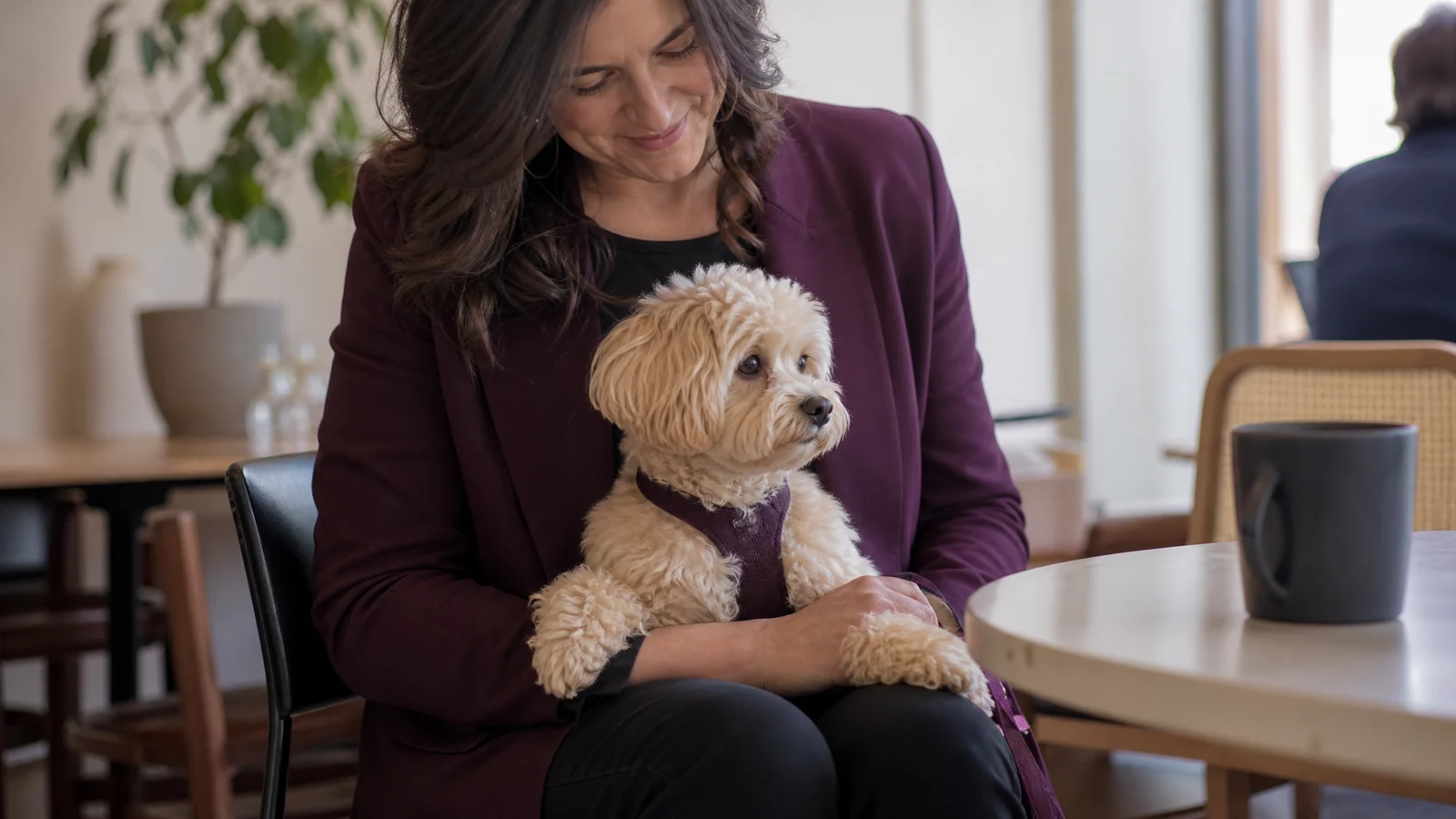
Can a Maltipoo be a service dog? An individual dog may be considered, but the breed label cannot qualify them or predict that they will meet a disabled person’s needs. Service work asks for a sustainable match among the dog, the handler, the environments they enter, and the trained work the handler requires.
Possible parent influences can open useful questions. A Maltipoo may inherit eagerness or quick learning associated with a Poodle, or the close companionship associated with a Maltese. They may inherit neither in the form needed for service work. Size, sociability, sensitivity, health, and recovery also vary among individuals.
This guide offers a suitability screen for foundation training, comfort, public manners, and professional evaluation. We do not certify a dog, provide disability-related task protocols, or promise any disability outcome. The responsible decision remains individual and may be to pursue a different role.
Maltipoo Service Dog Training Starts With the Individual
The first criterion is the dog in front of you, not a favorable description of either parent breed. Watch how your Maltipoo responds to novelty, interruption, quiet waiting, handling, and changes of place. Fast cue learning at home is useful, but it does not answer whether the dog remains comfortable and available elsewhere.
Suitability also depends on the proposed partnership. A small dog may fit some handlers and work poorly for other requirements. No article can decide that match without knowing the person’s disability-related needs, the dog’s abilities, and the conditions in which reliability would matter.
The AVMA’s animal-role overview distinguishes service, emotional support, and therapy animals. Warm companionship is valuable, but it is not the same as individually trained service work. A sociable therapy prospect is not automatically a service dog candidate either.
A useful early answer is “possible, pending evidence.” Continue only while training shows comfort, recovery, focus, and genuine suitability for the handler’s needs. Keep the option to stop without treating that decision as a failure by the dog or person.
A loved Maltipoo can have excellent household manners and still be mismatched to service work. Redirecting them toward companion life, tricks, or other suitable activities may protect welfare while allowing the handler to seek a more dependable path.
Comfort Is a Service Dog Training Requirement
A candidate needs more than tolerance. Look for a dog who can enter an appropriate new setting, notice events, and return to a comfortable baseline. A Maltipoo who remains worried, scans constantly, refuses rewards, or cannot rest is giving important information about the environment or the role.

Do not expose the dog repeatedly in hopes that endurance will appear. Use distance, short visits, and easy exits. Training should make conditions understandable while preserving the dog’s ability to choose and recover. Persistent distress belongs in a discussion with qualified professionals.
Unexpected sounds and movement happen in daily life. The meaningful observation is what follows. Does the dog orient briefly and reconnect, or remain unsettled long after the event? Recovery should be observed across time and contexts, not inferred from one calm afternoon.
Start in dog-appropriate places where you have permission to train. Service-dog access rules are not a shortcut for testing an unready pet. A qualified program or trainer can help choose lawful, humane environments without asking the public to participate in an experiment.
Foundation handling can include voluntary approaches to a harness, calm acceptance of routine touch, and cooperative positioning. Reward small steps and stop before tension builds. A dog who avoids touch or equipment needs a slower plan, not a higher-value demand.
Maintain regular veterinary visits throughout evaluation. New sensitivity, fatigue, movement changes, or behavior shifts may need medical attention before they are interpreted as training problems. Physical comfort is part of suitability, even when learning remains enthusiastic.
Maltipoo Public Training Requires Neutrality
Friendly is not the same as neutral. A Maltipoo may enjoy people yet struggle to pass them without greeting. Another may avoid attention but remain worried by proximity. Public manners require the individual to move and rest without needing contact, escape, or constant direction.
Reward noticing a person and returning attention, walking past at a workable distance, and settling where activity remains mild. Expand difficulty only when the dog repeats these choices comfortably. The PetMD service-dog discussion emphasizes quiet attention and acceptance of varied environments.
Arrange practice so strangers do not reach for, call, or crowd the dog. Your Maltipoo can learn that nearby people predict rewards for remaining connected to the handler. If the dog seeks every greeting, increase distance and pay earlier, before social momentum takes over.
If the dog worries about people, do not use public training to force closeness. Seek a humane professional who can separate a workable foundation gap from a welfare concern or a mismatch for the proposed role.
Playfulness around dogs can be a household strength while still complicating public work. Practice calm observation at distances where your Maltipoo can eat, turn, and move away. The goal is not social isolation. It is the ability to stay with the handler when greeting is unavailable.
A Maltipoo recall plan can strengthen voluntary returns in secure practice. Recall alone does not establish public suitability, but it provides useful evidence about disengagement, reward value, and recovery from environmental interest.
Calm Maltipoo Training Must Survive Waiting
Active cues can make a bright dog look impressive while hiding difficulty with stillness. Service life may include long stretches when nothing interesting happens. Observe whether your Maltipoo can settle after suitable activity without constant food delivery, entertainment, or repeated reminders.
Teach settling as a rewarded behavior rather than an enforced position. Begin on a familiar mat at home, reinforce relaxed choices, and release before restlessness grows. Over time, vary room, duration, and mild household activity one feature at a time.
Service training should not be expected to meet every physical or mental need. Build an ordinary routine for movement, sniffing, play, rest, and enrichment. The Maltipoo exercise guide helps adjust those outlets to the individual rather than treating work as exercise.
Do not exhaust a dog to manufacture stillness. A candidate should be able to transition from appropriate activity into rest, not simply collapse from fatigue. Watch whether arousal falls smoothly and whether familiar foundation cues remain available during that transition.
Use short, ordinary pauses to learn about the dog. Can they settle while you read, stand quietly during a conversation, or rest beside a chair in a familiar place? Increase duration gradually and end while the behavior remains comfortable.
Pacing, persistent vocalizing, inability to take food, or repeated attempts to leave deserve attention. These signs do not identify a cause, and one occurrence does not settle suitability. A repeated pattern calls for easier conditions and professional interpretation.
Reward-Based Training Reveals Learning Style
Foundation lessons should gather information, not create a performance designed to prove the candidate. Teach attention, targeting, mat settling, loose movement, recall, and cooperative handling through rewards. Track how readily the dog understands, generalizes, recovers from errors, and stays engaged without pressure.
AVSAB describes reward-based work using cues, markers, and reinforcers such as food or play. Its humane training statement supports reward-based methods across dog training. Clear structure and humane methods belong together.
A verbal marker or click can identify the exact choice that earned reinforcement. Battersea advises first pairing a clicker with food in a calm place and delivering the reward promptly. That marker foundation should be established before it is used in harder settings.
Markers do not make every dog suitable or every behavior reliable. They improve communication. The larger question is whether the Maltipoo can keep learning comfortably as locations, duration, and ordinary distractions change.
If the dog misses a cue, pause and change the setup. Move farther from activity, shorten the wait, or return to a familiar location. Repeated errors suggest that the current version is too hard, the reward is poorly timed, or the dog needs rest.
The PLOS ONE study in the brief compared companion-dog schools using different approaches and reported more stress-related outcomes in mostly aversive settings. Its training findings support avoiding fear and discomfort. They do not identify any breed as suitable for service work.
Specialized Training Needs Qualified Direction
Foundation success is not permission to invent disability-related task protocols. The work must be relevant to the handler’s actual needs, safe for both partners, and taught with appropriate professional guidance. A generic list of impressive behaviors cannot substitute for that individualized process.
Consult a service-dog program or humane trainer whose methods are transparent and whose experience fits the intended partnership. Ask how candidates are evaluated, how welfare is monitored, what happens when a dog is redirected, and how the handler’s needs shape decisions.
Useful preparation for that conversation includes observations, not homemade certification claims. Bring a practical record that a professional can interpret in context.
- Where the dog remains comfortable and where recovery becomes difficult.
- How the dog settles after appropriate activity and during ordinary waiting.
- Whether people, dogs, sounds, or movement repeatedly replace handler focus.
- How foundation behaviors transfer when one part of the setting changes.
- What veterinary information may affect comfort, stamina, or safe participation.
- Which ordinary settings support relaxed learning and which settings repeatedly require distance, an early exit, or a simpler foundation exercise.
A professional evaluation can lead to continue, pause, redirect, or stop. None of those results guarantees a future outcome for the handler. It is better to receive an honest answer early than to build expectations around breed identity or affection.
Long-Term Training Depends on Fit
A Maltipoo may become a service dog only when the individual dog and specific partnership prove suitable over time. Possible intelligence, closeness, or playfulness from parent breeds may help some learners and complicate others. Those influences never replace observation.
Keep foundation training useful even if the career changes. Calm handling, recall, settling, and polite movement improve daily life. How to train enjoyable tricks can offer a separate outlet for a dog who likes learning without carrying service expectations.
The cautious answer protects both sides of the partnership. Do not promise that a Maltipoo will be suitable, that training will produce a disability outcome, or that affection can cover a mismatch. Build humane foundations, consult qualified people, and let the individual dog’s welfare and demonstrated fit decide the next step.
 Training basicsHow Smart Is a Maltipoo for Training?
 BehaviorWhy Does My Maltipoo Bark So Much, and What Helps?
 Exercise and jobsMatching Exercise and Mental Games to Your Maltipoo's Energy